For over thirty years, art enthusiasts Jim and Sue Waddington have been locating the exact sketching sites for artworks by Group of Seven members. This exhibition showcased the Group's art alongside stunning photographs taken of the original locations that inspired these artworks some eighty years ago.
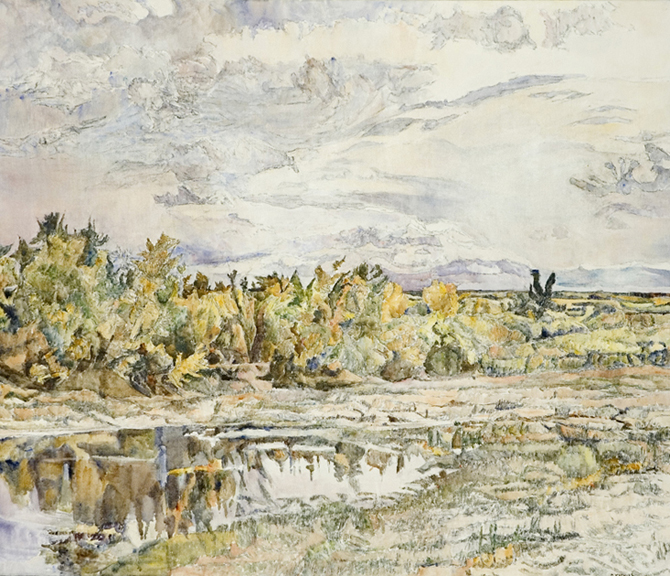
At first glance, Dorothy Knowles's humble and natural subject matter can be underestimated or overlooked. However, Knowles radically chose to document her own backyard during a time when abstract art was rapidly gaining ground. This exhibition celebrated Knowles’ favourite subjects—the lush river valleys and prairie landscapes that characterized her rural childhood.
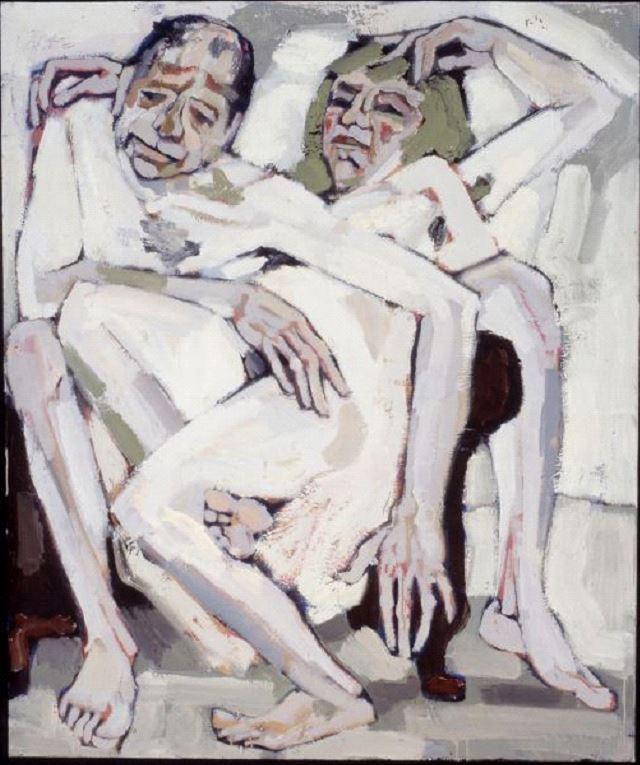
Bruno Bobak: Love, Life and Death highlighted the figurative works (including a selection of portraits) that the East Coast-based artist produced between the early 1960s and 1980. While Bobak’s body of work is diverse with subject matter that encompasses war art, still lifes and landscapes, his greatest preoccupation has been the depiction of the human body and soul.
Traditional Stories: Unikkaaqtuat/Modern Stories: Unikkaat explores storytelling as an essential element of Inuit oral cultural traditions as well as playing a significant role as a source for their visual imagery.
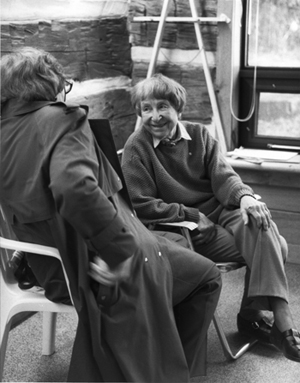
To acknowledge the passing of two notable Canadian artists, Kananginak Pootoogook and Doris McCarthy, works by these artists, from the gallery’s collection, were displayed in a special memorial exhibit.
This exhibition examined the stylistic evolution of Tom Thomson and the Group of Seven and illustrates how they took inspiration from the modernist approaches of painting developed in Europe.
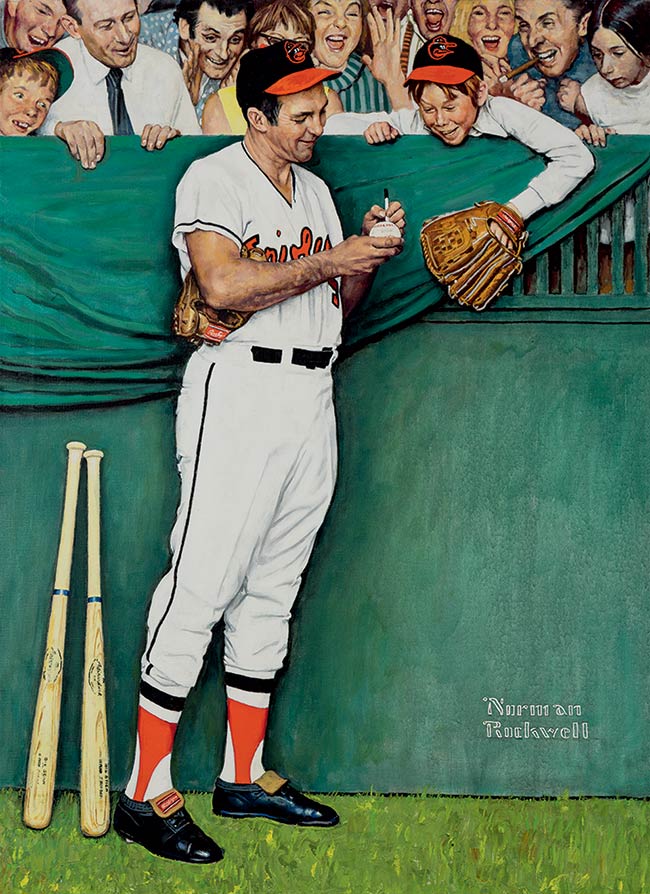
In Search of Norman Rockwell's America juxtaposed the work of iconic artist Norman Rockwell with that of photojournalist Kevin Rivoli. Rivoli’s photographs are true to Rockwell’s form—storytelling in a single, spontaneous frame that captures and celebrates the ordinary.
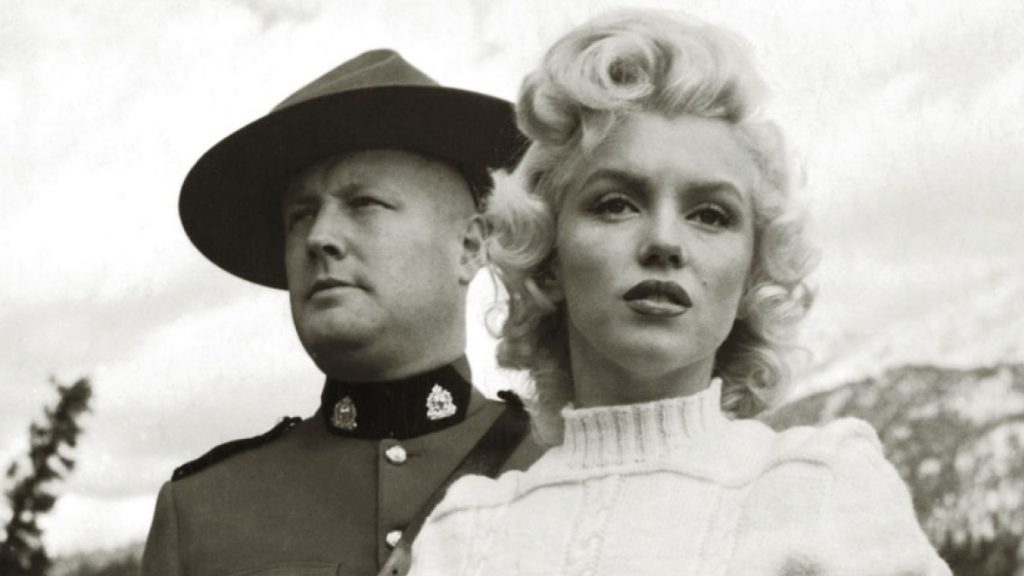
Life as a Legend: Marilyn Monroe contained approximately 150 works by artists offering engaging interpretations of Marilyn, ranging from intimate portraits to others that are bold, playful, and even transformative. With their images they capture the determination, innocence and vulnerability of Norma Jeane Baker, as well as the vibrant personality, femininity and sensuality that became Marilyn Monroe.
George McLean has painted the landscape and animals around his home in Grey County, Ontario for over thirty years. This exhibition presented major works from private and public collections across North America, displaying McLean’s prowess to capture the atmospheric beauty of all the seasons in Grey County, from the misty early spring snows to the clarity of the dense early spring woods to the golden heat of high summer meadows.
Ivan Eyre is widely acknowledged as a Canadian artist of major accomplishment whose works possess an urgency of vision and a technical mastery rarely equalled in contemporary art. Eyre's achievements in the figurative and landscape movements of our time have been noted in many insightful commentaries, but the relationship between his sculpture and graphic work has been less thoroughly considered.
Twelve Aboriginal artists challenge preconceived notions—defining Aboriginal identity, collapsing perceptual barriers established by decades of misrepresentation, defiantly stating, "this is who we are." This exhibition explored how contemporary Aboriginal artists have used the portrait as a means of self-expression, in spite of its long problematic history for their peoples.
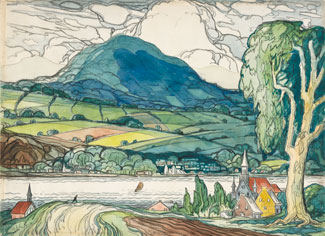
A retrospective overview highlighting Fortin’s contribution as a painter, etcher, watercolourist, and pastelist; a landscape artist that left an indelible imprint on Quebec’s collective imagination. Marc-Aurèle Fortin: The Experience of Colour, was the first major museum exhibition devoted to the artist in more than 45 years, and featured over hundred paintings, prints, drawings and watercolours produced between 1909 and 1949.