Director’s Choice:
J.E.H. MacDonald,
Lichen-Covered Shale Slabs, 1930

One of the pleasures of working with the McMichael’s deep Group of Seven collection is the ability to see artists’ careers unfolding over a series of creative phases. Seldom is this more dramatic than in the case of J.E.H MacDonald (1873–1932), whose gutsy little plein-air painting Lichen-Covered Shale Slabs, 1930, caught my eye again on a recent walk-through of the gallery (The work is included in our current exhibition Old Growth: Masterworks by the Group of Seven and Their Contemporaries). Other MacDonald works in the collection sing a different tune. The fiery and expressionist oil sketch Leaves in a Brook, 1919, shows his awareness of European Post-Impressionism: the surging pigment flows like molten lava across the picture plane. In the large-scale studio work Forest Wilderness, made two years later, one can see the elegant underpinnings of his training in Art Nouveau design in the sinuous lines of the forested hills and bluffs, receding in space.
In Lichen-Covered Shale Slabs, though, MacDonald finds a different voice again—inspired no doubt by the rugged beauty and physical challenges of the landscape in which he found himself: craggy, pathless, and indomitable. The paint handling makes those features palpable, the rocky foreground rearing up into view as if one is about to face-plant into the rock pile. (Had MacDonald been scrambling on all fours in the September heat before he set up his painting kit?) Undulating horizontal bands of colour segment the image, rising and falling in a chunky rhythm against a vivid blue sky, while clouds rejoice overhead. This is alpine ecstasy incarnate.
We know that MacDonald travelled from Toronto to the Rockies (Lake O’Hara was his home base) every summer from 1924 to 1930. Among his last paintings made in Toronto, around the time of his death in November of 1932, have mountain subjects, as if he could not stop ruminating on the artistic discoveries he had made in the Canadian West. Had he been drawn by the magnificent views, or by the opportunity to match bodily sensation with the physical act of laying on paint, one determined and muscular stroke at a time?
These are MacDonald’s most experimental works, and his most boldly modernist. Might they also bear the influence of his contemporary the Swedish artist Anna Boberg (1864–1935), whose dense and horizonless mountain paintings he would have seen in his famous 1913 trip with Lawren Harris to the Albright Art Gallery in Buffalo? There they discovered a host of trailblazing Scandinavian artists for the first time, triggering a deep commitment to find a new painterly language to capture the realities of their own Canadian landscape. Here we can see that commitment come to life in startling vividness, as MacDonald climbs that mountain brush stroke by brush stroke.

J.E.H. MacDonald
Forest Wilderness
1921
oil on canvas
122 x 152 cm
McMichael Canadian Art Collection
Gift of Colonel R.S. McLaughlin
1968.7.1

J.E.H. MacDonald
Leaves in a Brook
1919
oil on canvas
52.7 x 65 cm
McMichael Canadian Art Collection
Gift of Dr. Arnold D. Mason
1966.16.32

Anna Boberg
Glaciärsjö / Glacier Lake
undated
oil on canvas
39 x 49 cm
Prins Eugens Waldemarsudde, Stockholm
Old Growth: Masterworks by the Group of Seven and Their Contemporaries
On view through Jul 5, 2026
related articles
Director’s Choice: Lucy Qinnuayuak
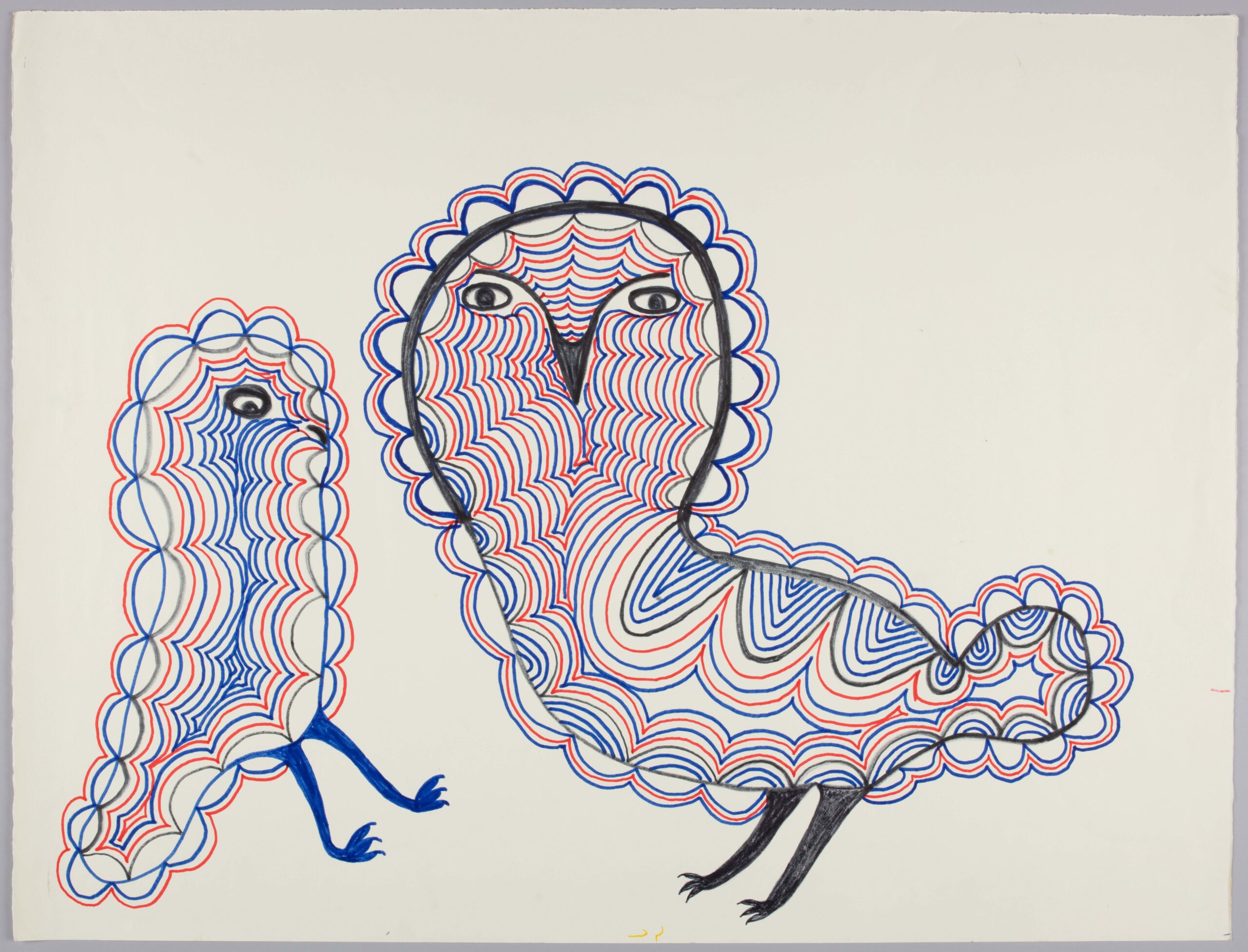
January 5, 2026One of the pleasures of exploring the Kinngait Drawings Archive is discovering works by artists who may not have the household name recognition they deserve. Lucy Qinnuayuak (1915–1982) is one such artist.
Director’s Choice: Stan Douglas
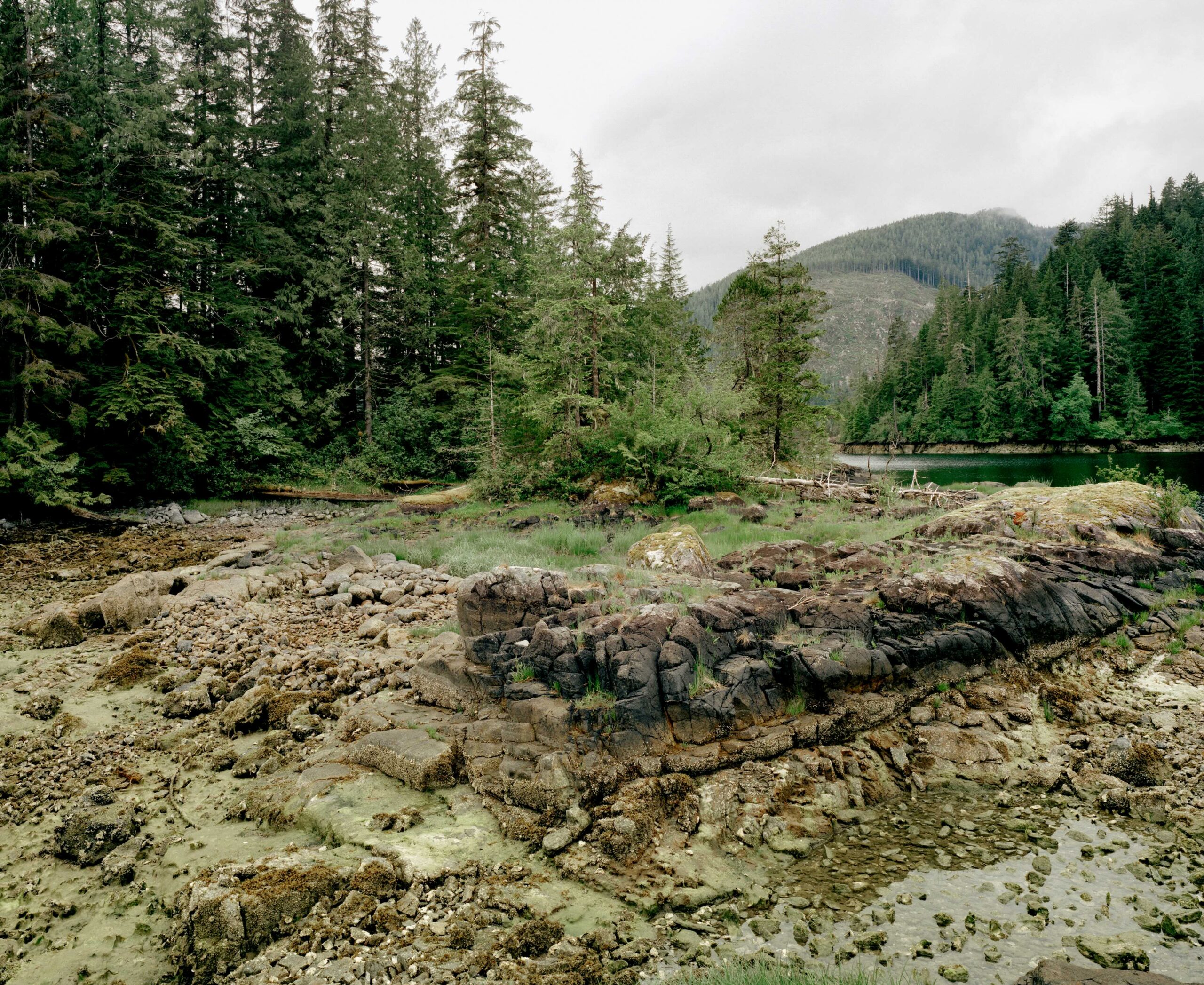
February 9, 2026Stan Douglas’s photographs of Nootka Sound, on the northwest coast of Vancouver Island, document many sites important in the history of both colonial and Indigenous people in the territory.

Director’s Choice: Tom Thomson
March 4, 2026Tom Thomson’s sketch and canvas depicting Algonquin Park during the spring thaw are among the most prized holdings of the McMichael.
Director’s Choice: David Milne, Passing Car, 1913
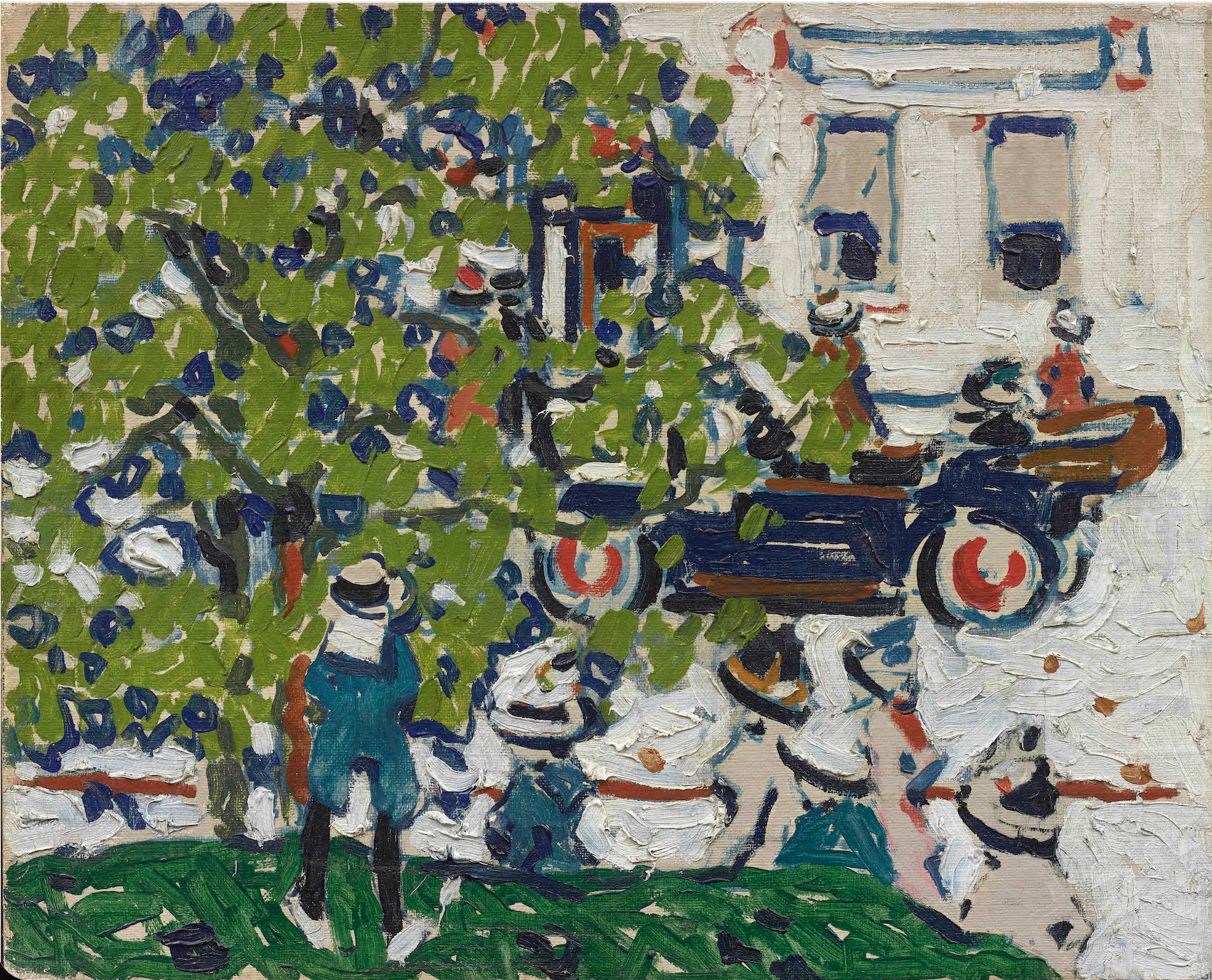
May 7, 2026In this Director’s Choice essay, Sarah Milroy explores David Milne’s Passing Car, 1913, a vibrant depiction of modern New York painted at the height of the artist’s early career. The article considers Milne’s innovative painterly language, his complicated relationship with urban life, and the lasting significance of this rare surviving city scene in the McMichael collection.

Director’s Choice: Salute to Riopelle
October 19, 2026McMichael Director Sarah Milroy reflects on the gallery’s extraordinary holdings of works by Jean Paul Riopelle — paintings packed with gestural force that tell the story of Riopelle’s radical defiance in the face of social conformity and religious repression.